Clark - Subic Bay - Bataan: Poised to Become a Gateway for Taiwanese Investment and Tourism
Subic Bay is being positioned as a strategic gateway for Taiwanese investment in the Philippines, with the Subic Bay Freeport Zone (SBFZ) and Freeport Area of Bataan (FAB) identified as key components of a broader Subic-Clark-Bataan economic and tourism corridor. The proposed strategy covers manufacturing, technology, infrastructure, tourism, golf, cruise travel, retail, and hospitality.
The initiative highlights the potential to strengthen economic and tourism ties between the Philippines and Taiwan while positioning Central Luzon as a more connected destination for investment and international visitors.
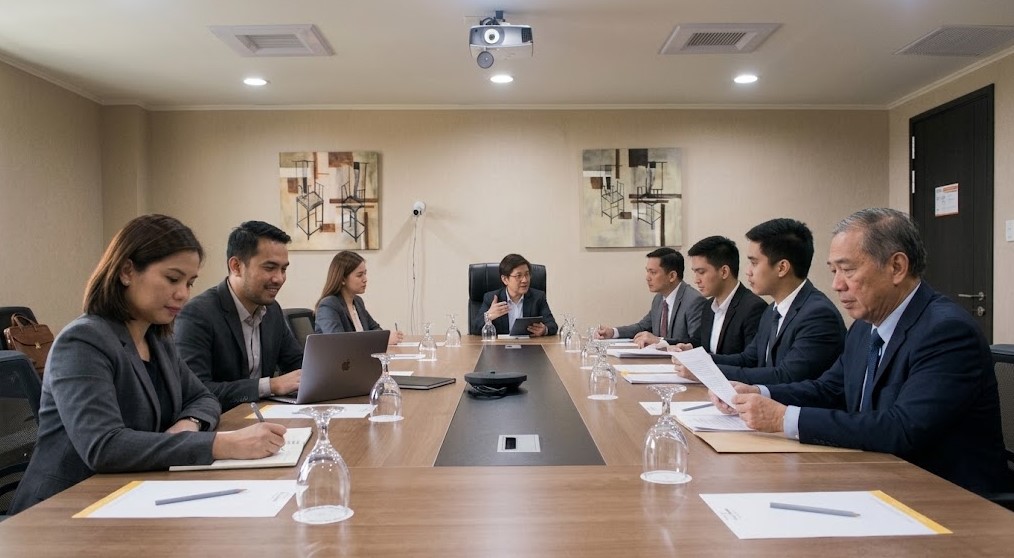
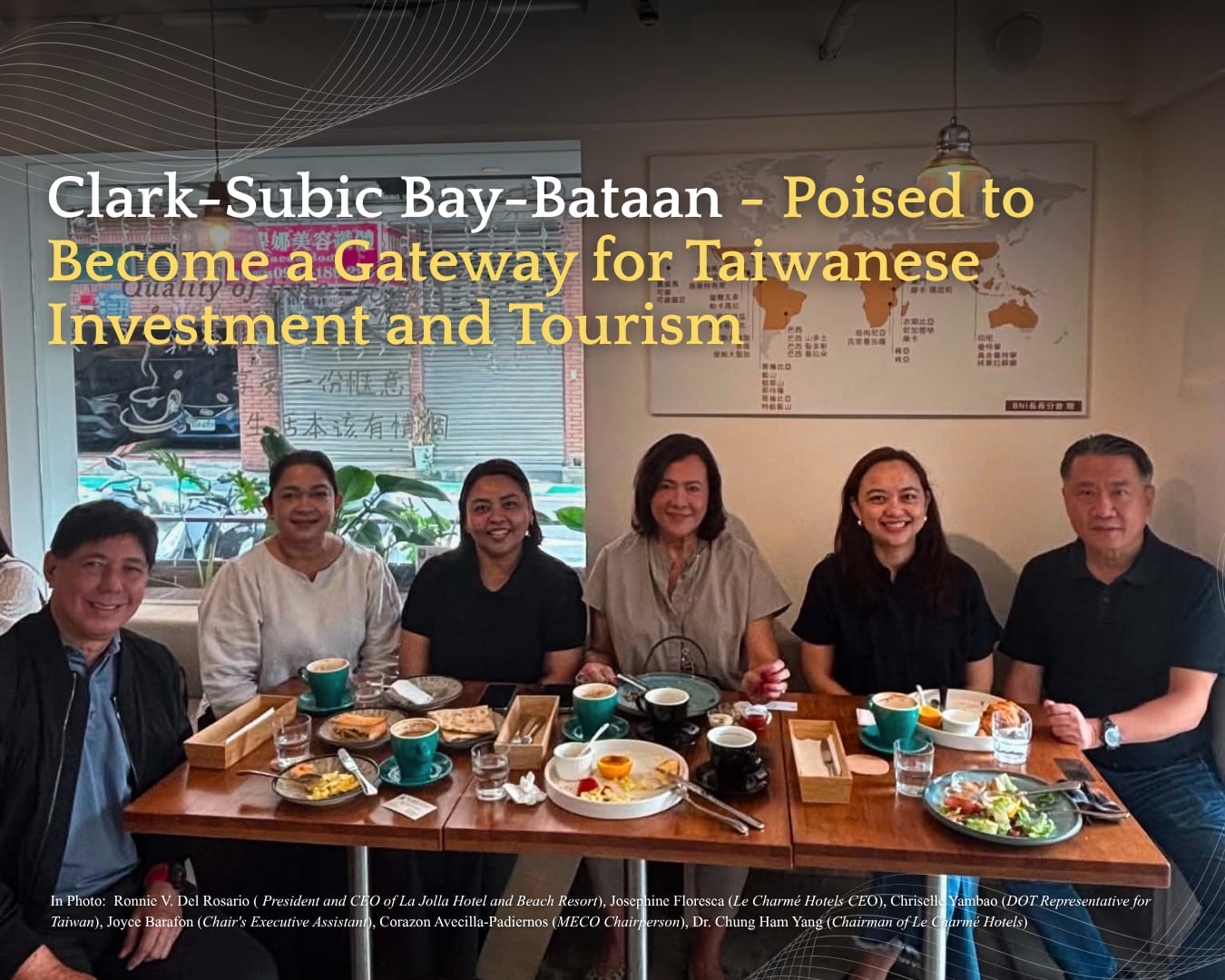
The proposal was presented for consideration by the President of the Republic of the Philippines through the Manila Economic and Cultural Office (MECO). Key representatives connected to the initiative include DOT Representative for Taiwan Chriselle Yambao, Chair's Executive Assistant Joyce Barafon, and MECO Chairperson Corazon Avecilla-Padiernos.
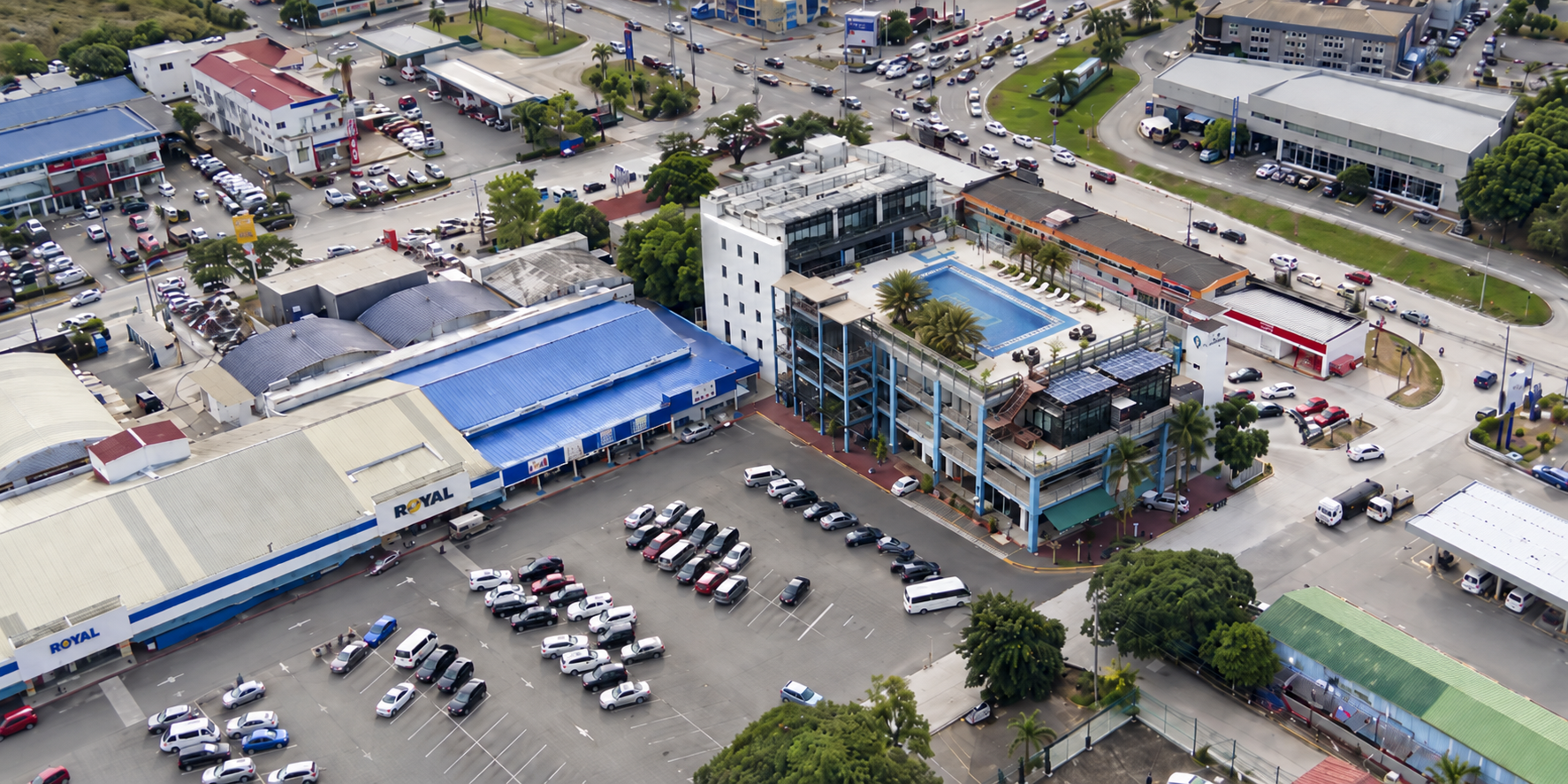
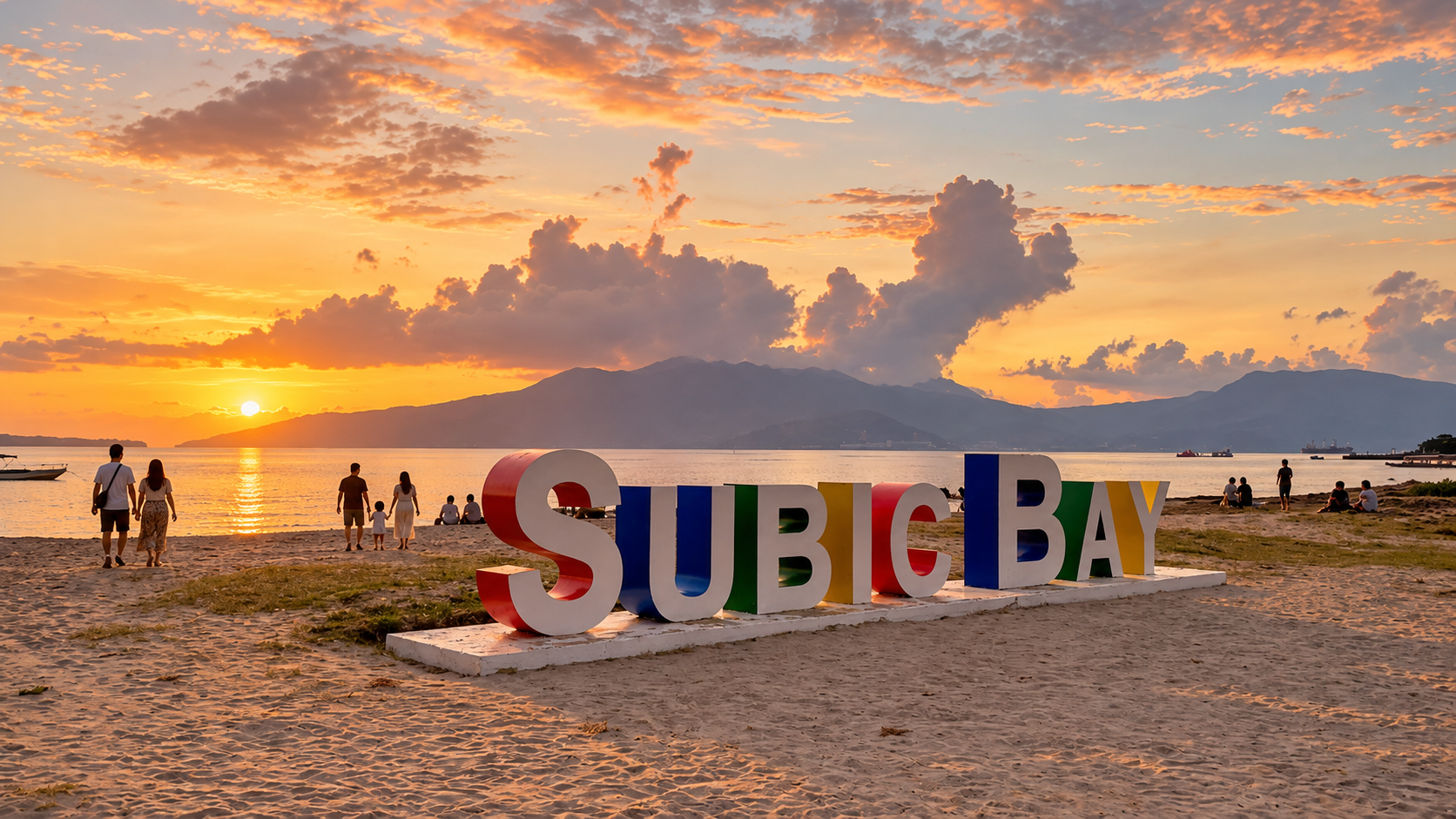
At the center of the proposal is Subic Bay, whose strategic location, deep-water port, Freeport infrastructure, proximity to Clark, and connectivity to Bataan provide a strong foundation for future investment and tourism development.
Why Subic Bay Is Important to Taiwanese Investment
Taiwan presents significant opportunities for the Philippines in manufacturing, technology, infrastructure, tourism, and long-term foreign direct investment.
Subic Bay is particularly well positioned to support these opportunities because of its established Freeport environment and location within Central Luzon.
The Subic Bay Freeport Zone provides an established economic environment with industrial, commercial, logistics, tourism, and hospitality activities. Its deep-water port also gives the area strategic importance for international trade and potential cruise development.
Its location creates another major advantage.
Subic is connected to Clark and Bataan, allowing the three areas to potentially function as a complementary economic and tourism corridor rather than as isolated destinations.
For Taiwanese companies considering investment in the Philippines, this connectivity could provide access to a wider network of business, logistics, tourism, and infrastructure opportunities.
Subic-Clark-Bataan: Building an Integrated Economic and Tourism Corridor
A key element of the proposal is to strengthen Subic, Clark, and Bataan as an integrated economic and tourism corridor.
Each destination offers different strengths.
Subic Bay combines its Freeport environment with a deep-water port, hotels, restaurants, shopping, recreation, and established tourism infrastructure.
Clark serves as an important economic and transportation hub, with expanding business, tourism, aviation, leisure, and entertainment activities.
Bataan offers industrial and investment opportunities alongside beaches, mountains, heritage destinations, resorts, and emerging tourism developments.
Connecting these destinations could create a more diverse regional ecosystem for both investors and travelers.
For tourism, it could make multi-destination travel easier.
For business, it could create stronger links between industrial, logistics, commercial, and infrastructure activities across Central Luzon.
The corridor could also complement developments such as New Clark City, helping strengthen connections between Central Luzon's major economic and tourism destinations.
Developing a Subic-Clark-Bataan Golf and Tourism Circuit
One of the key tourism opportunities identified in the proposal is the development of a Subic-Clark-Bataan golf and tourism circuit.
Rather than promoting Subic, Clark, and Bataan separately, the destinations could be marketed as a combined multi-day leisure experience featuring golf, resorts, dining, shopping, nature, attractions, and other recreational activities.
This approach could be particularly attractive to Taiwanese travelers and golf groups seeking convenient leisure destinations in the Philippines.
Why Golf Tourism Matters
Golf tourism can generate economic activity beyond golf courses.
Golf travelers typically require accommodation, transportation, restaurants, shopping, leisure activities, and other tourism services.
A regional golf circuit could therefore encourage visitors to stay longer and spend across multiple destinations.
For example, a Taiwanese golf group could potentially:
Arrive in Central Luzon.
Stay in Subic Bay.
Play golf in Subic, Clark, or Bataan.
Explore local attractions.
Enjoy restaurants and leisure activities.
Shop in Subic.
Extend the trip with additional destinations in the region.
This type of itinerary transforms golf from a single activity into part of a broader tourism experience.
Connecting Taiwanese Travel Agencies to Central Luzon
The proposal also recommends encouraging Taiwanese travel agencies and tour operators to develop multi-day packages covering Subic, Clark, and Bataan.
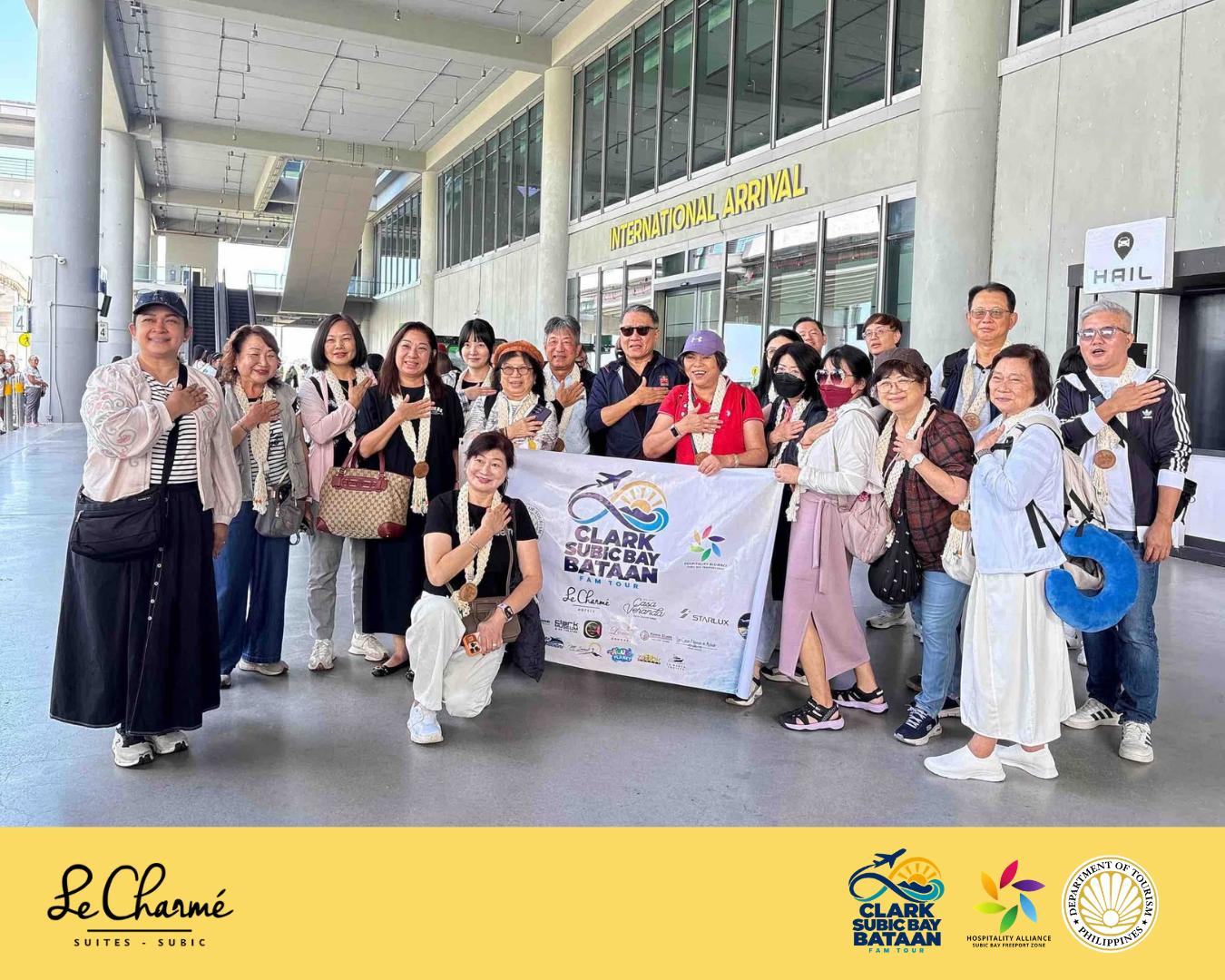
Familiarization programs, joint promotions, and appropriate incentives could help Taiwanese travel professionals better understand the destinations and create travel products around them.
This could include packages focused on:
Golf holidays
Resort stays
Shopping trips
Cruise excursions
Food and dining
Business and leisure travel
Family vacations
Multi-destination Central Luzon tours
By presenting Subic, Clark, and Bataan as connected destinations, travelers could have more reasons to extend their stay instead of visiting only one location.
Positioning Subic as a Cruise, Duty-Free and Outlet Shopping Destination
Another major opportunity identified in the proposal is to further develop Subic as a cruise, duty-free, and outlet shopping destination.
Subic Bay's deep-water port provides an important foundation for cruise tourism. However, the opportunity extends beyond simply bringing cruise ships into the area.
The destination also needs to provide compelling experiences that encourage cruise passengers to disembark, explore, shop, dine, and potentially stay longer.
The proposal recommends incorporating a Cruise-Retail-Entertainment District into the broader planning framework.
This concept would connect cruise arrivals with:
Duty-free shopping
Outlet retail
Premium shopping
Restaurants and cafés
Entertainment
Golf
Resorts
Local attractions
Hospitality and overnight stays
The goal is to create a more complete visitor experience in which cruise tourism supports other sectors of the local economy.
Expanding Subic's Duty-Free and Outlet Shopping Potential
Shopping has long been an important part of the Subic visitor experience.
Strengthening the Freeport's retail environment through reputable duty-free operators, outlet malls, premium retail, dining, and entertainment could further increase its appeal to both domestic and international visitors.
For Taiwanese travelers, shopping could become one component of a broader Subic itinerary.
A visitor could arrive in Subic, stay at a local hotel, explore the Freeport, enjoy duty-free and outlet shopping, dine at local restaurants, visit attractions, and participate in leisure activities.
This integrated approach could help increase visitor spending and length of stay in Subic Bay.
Why Cruise Tourism and Retail Work Together
Cruise tourism can bring a large number of visitors to a destination within a short period.
However, the economic impact can be greater when cruise arrivals are connected to local businesses and visitor experiences.
A cruise passenger who simply arrives and leaves without exploring the destination creates limited local spending.
A passenger who disembarks to shop, dine, visit attractions, enjoy entertainment, or book an overnight stay creates opportunities across multiple tourism sectors.
This is why the proposed Cruise-Retail-Entertainment District could be significant to Subic's tourism strategy.
It would connect the port directly with the experiences that encourage visitors to spend time within the Freeport.
Opportunities for the Hospitality Industry
A stronger Taiwanese investment and tourism connection could create opportunities for the hospitality industry throughout Subic, Clark, and Bataan.
Potential beneficiaries include:
Hotels and resorts
Restaurants and cafés
Shopping establishments
Tour operators
Transportation providers
Golf facilities
Wellness businesses
Entertainment venues
Event venues
Tourism attractions
Hotels can play an especially important role in this ecosystem.
A hotel in Subic can serve as a base for travelers visiting multiple destinations across Central Luzon, whether they are traveling for business, golf, shopping, tourism, events, or leisure.
This makes accommodation an important part of the proposed Subic-Clark-Bataan tourism circuit.
Le Charmé Suites and the Emerging Hotel Alliance
As the Subic-Clark-Bataan corridor develops, collaboration within the hospitality sector can play an important role in creating a more connected destination for international visitors.
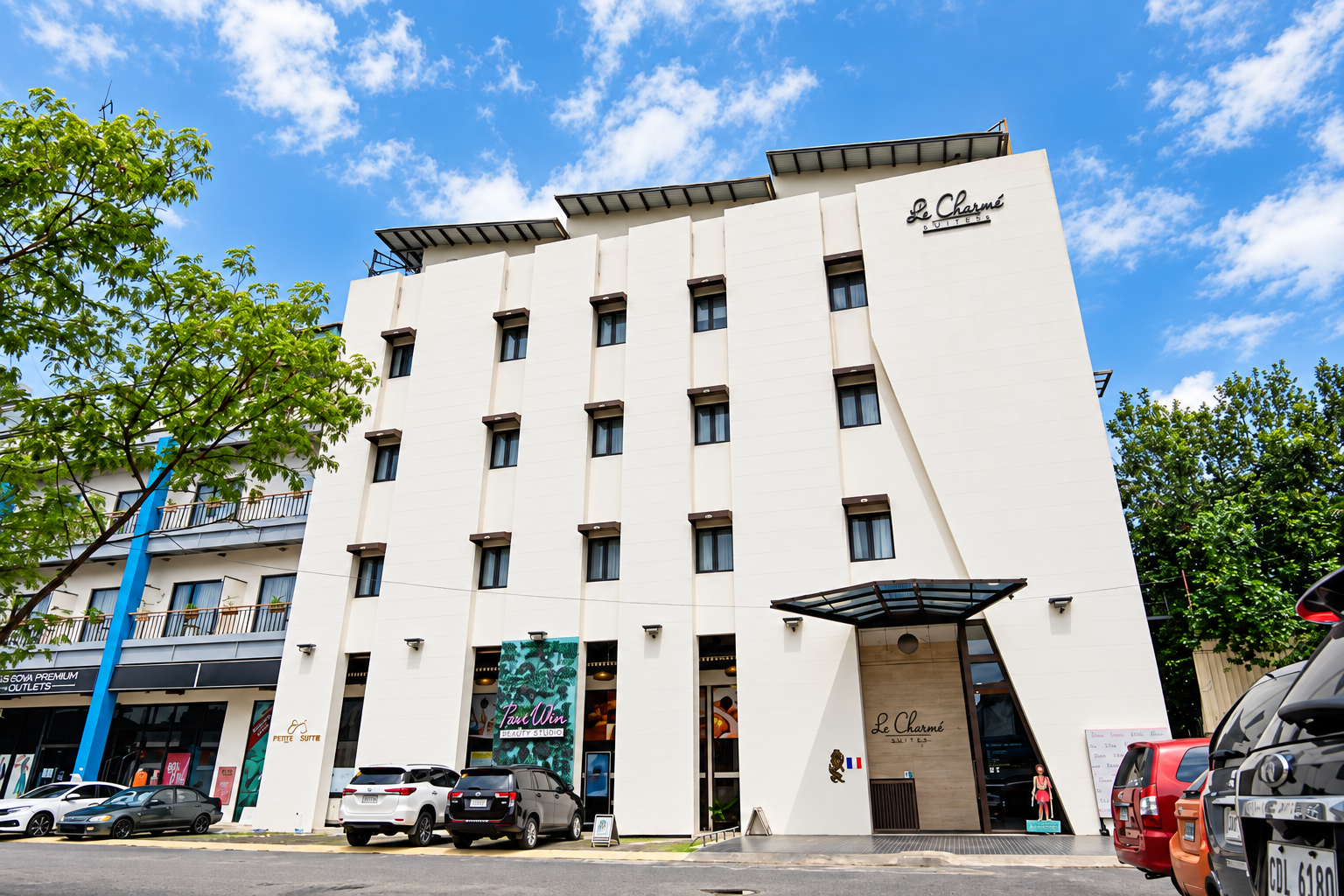
Le Charmé Suites is honored to be part of this venture, contributing to the development of a stronger hotel alliance across Northwestern Philippines and supporting the vision of a more connected Subic-Clark-Bataan destination for international investors, travelers, and tourism partners.
Through stronger cooperation among hotels and tourism stakeholders, the region can create more opportunities to promote multi-destination travel, accommodate international visitors, and connect hospitality with the area's growing business, tourism, golf, shopping, dining, and leisure offerings.
For Taiwanese travelers and business visitors, a stronger hotel network could also provide a more seamless experience when exploring Subic Bay, Clark, and Bataan. Hotels can serve not only as places to stay, but also as important partners in destination marketing and the development of a more integrated Central Luzon tourism ecosystem.
Strengthening Taiwan-Philippines Tourism Connections
The investment opportunity is not limited to companies.
Stronger economic connections can also support stronger tourism relationships between Taiwan and the Philippines.
Taiwanese travelers represent a potential international visitor market for Central Luzon, particularly when destinations are packaged around specific interests such as golf, shopping, food, resorts, cruises, and leisure.
Improved destination marketing and stronger partnerships with Taiwanese travel agencies could help introduce more travelers to Subic, Clark, and Bataan.
For Subic Bay, this creates an opportunity to strengthen its position as both a business destination and an international tourism destination.
Subic Bay's Strategic Location in Central Luzon
Location is one of Subic Bay's most important advantages.
The Freeport is strategically connected to other major destinations in Central Luzon, including Clark and Bataan.
This connectivity creates the potential for visitors and investors to experience multiple destinations within a single trip or business itinerary.
For Taiwanese investors, the corridor could offer access to different economic and commercial opportunities.
For Taiwanese tourists, it could provide a combination of shopping, golf, dining, resorts, attractions, and leisure.
For local businesses, increased connectivity could mean access to a broader visitor market.
What Taiwanese Investment Could Mean for Subic Bay
Increased Taiwanese investment could potentially contribute to growth across several sectors.
Manufacturing and Technology
Taiwan's strengths in manufacturing and technology could create opportunities for businesses and supply chains in Central Luzon.
Infrastructure and Logistics
Subic's port and Freeport infrastructure provide a foundation for continued development in logistics, trade, and related industries.
Tourism and Hospitality
Investment in hotels, resorts, restaurants, retail, entertainment, and tourism facilities could strengthen the region's visitor economy.
Retail and Shopping
Duty-free stores, outlet malls, premium retail, and dining could make Subic more attractive to international visitors.
Golf and Leisure
Investment and tourism partnerships could help develop Subic, Clark, and Bataan as a more competitive regional golf and leisure destination.
Cruise Tourism
Integrating cruise arrivals with retail, entertainment, dining, and hospitality could increase the economic value generated by cruise visitors.
A Gateway for Taiwanese Investment and Tourism
The proposed strategy to strengthen the Subic Bay Freeport Zone and Freeport Area of Bataan as a strategic gateway for Taiwanese investment represents a broader vision for Central Luzon.
It is not simply about attracting more investors or tourists to one destination.
It is about creating stronger connections between Subic, Clark, and Bataan, allowing their different economic and tourism strengths to complement one another.
For Taiwanese investors, this could mean new opportunities in manufacturing, technology, infrastructure, logistics, tourism, retail, and hospitality.
For Taiwanese travelers, it could mean more reasons to visit and stay longer through golf, shopping, cruises, dining, resorts, and multi-destination tourism.
For Subic Bay, it could further strengthen the Freeport's role as an important business, tourism, shopping, and leisure destination in Central Luzon.
Looking Ahead
The opportunity for stronger Taiwan-Philippines economic and tourism ties comes at a time when Subic Bay continues to develop as a destination for business, leisure, sports, shopping, dining, and hospitality.
The proposed Subic-Clark-Bataan economic and tourism corridor provides a framework for connecting these strengths.
By combining investment opportunities with tourism development, golf, cruise arrivals, retail, hospitality, and destination marketing, Central Luzon could offer a more integrated proposition to Taiwanese businesses and travelers.
Subic Bay's strategic location, Freeport infrastructure, deep-water port, and proximity to Clark and Bataan provide a strong foundation for this vision.
The opportunity ahead is to transform these individual advantages into a connected regional experience where investment, tourism, hospitality, shopping, leisure, infrastructure, and business work together.
For Taiwanese investors and travelers looking toward the Philippines, Subic Bay and the wider Subic-Clark-Bataan corridor have the potential to become an increasingly important gateway to Central Luzon.
Frequently Asked Questions About Taiwanese Investment in Subic Bay
Why is Subic Bay being considered a gateway for Taiwanese investment?
Subic Bay offers a strategic location, deep-water port, established Freeport infrastructure, and connectivity to Clark and Bataan. These characteristics could support investment in manufacturing, technology, infrastructure, logistics, tourism, retail, and hospitality.
What is the Subic-Clark-Bataan economic and tourism corridor?
The Subic-Clark-Bataan corridor is a proposed integrated approach that connects the economic and tourism strengths of Subic Bay, Clark, and Bataan. It aims to encourage investment, multi-destination tourism, golf travel, shopping, leisure, and business activity across Central Luzon.
What opportunities could Taiwanese investors find in Subic Bay?
Potential opportunities include manufacturing, technology, infrastructure, logistics, tourism, hospitality, retail, entertainment, and other industries connected to the Subic Bay Freeport Zone.
Why is golf tourism important for Subic, Clark, and Bataan?
Golf tourism can attract international visitors who also spend on hotels, transportation, dining, shopping, and leisure activities. A regional golf circuit could encourage longer stays and greater tourism spending across the three destinations.
Can Subic Bay become a stronger cruise tourism destination?
Subic Bay's deep-water port provides an important foundation for cruise tourism. The proposed approach would connect cruise arrivals with retail, dining, entertainment, golf, resorts, attractions, and hospitality to encourage passengers to explore and spend within the Freeport.
Why is duty-free and outlet shopping important to Subic tourism?
Duty-free and outlet shopping can provide international and domestic visitors with additional reasons to visit Subic, while supporting retail, dining, entertainment, and hospitality businesses.
How can Taiwanese travel agencies support tourism in Central Luzon?
Taiwanese travel agencies and tour operators could develop multi-day packages combining Subic, Clark, and Bataan. Familiarization programs, joint promotions, and tourism partnerships could help increase awareness of the region among Taiwanese travelers.
What role can hotels play in the Subic-Clark-Bataan tourism corridor?
Hotels can serve as bases for visitors participating in golf trips, shopping itineraries, business travel, cruise excursions, leisure holidays, and multi-destination tours across Central Luzon.
What could stronger Taiwan-Philippines ties mean for Subic Bay?
Stronger economic and tourism ties could create opportunities for investment, international visitor arrivals, hotel occupancy, retail spending, dining, transportation, tourism services, and other sectors supporting the local economy.
Why is Subic strategically located for Central Luzon tourism?
Subic's connectivity to Clark and Bataan allows it to potentially serve as part of a wider multi-destination tourism corridor. Visitors can combine Subic's shopping, dining, resorts, attractions, and leisure activities with experiences in Clark and Bataan.